
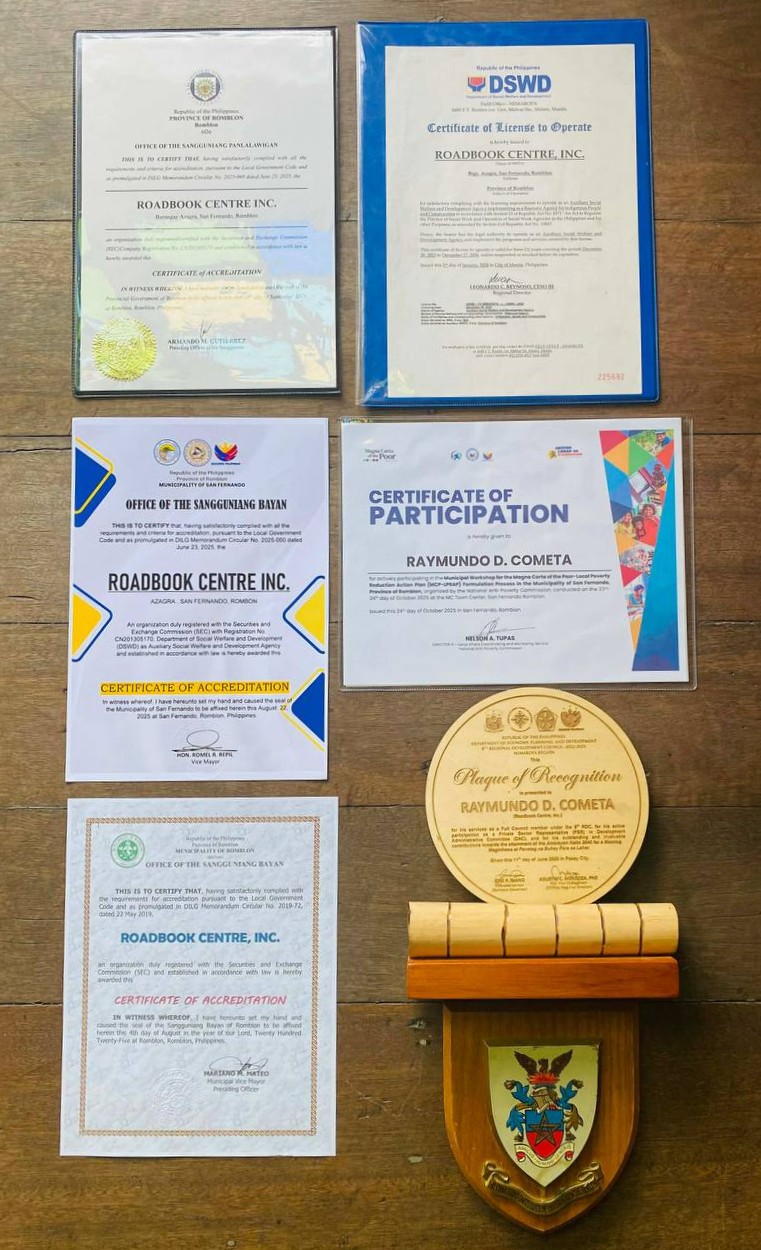
The ROADBOOK CENTRE INC. (ROADBOOK for brevity) is a non-stock, non-profit corporation committed to Corporate Social Responsibility (CSR), duly registered with the Securities and Exchange Commission (SEC) on March 13, 2013. Notably, ROADBOOK holds the distinction of being the first non-government organization (NGO) and civil society organization (CSO) in the province of Romblon to be registered and licensed by the Department of Social Welfare and Development (DSWD) as an Auxiliary Social Welfare and Development Agency (SWADA) Resource Agency. Currently, ROADBOOK operates at the intersection of Seaport Operation and Enterprise-based Education, implementing Community-based Sustainable Livelihood and Farm School/Farm Tourism Programs. These initiatives directly facilitate capacity building and provide sustainable employment opportunities to Indigenous Peoples (IP) communities and community volunteers.
To ensure the sustainability of its social development interventions, ROADBOOK manages inherited lands converted into Farm School and Farm Tourism sites. These operations strictly align with Republic Act (RA) 10816 (Farm Tourism Development Act of 2016) and RA 7686 (Dual Training System Act of 1994), the latter administered in partnership with the Technical Education and Skills Development Authority (TESDA). By fusing agricultural production with educational tourism, these programs transform agricultural properties into viable tourist destinations and functional learning hubs. This dual-approach generates steady income from farm harvests while offering immersive, industry-based learning and camping experiences for visitors and trainees. The qualified stakeholders / beneficiaries actively engage in planting agricultural seeds, while community volunteers focus their efforts on promoting agriculture and a clean, green, sustainable environment.
ROADBOOK directly addresses the socio-economic challenges and poverty thresholds within Romblon, where remote areas face slow developmental progress. The organization’s programs are strategically designed to support poverty alleviation, promote inclusive growth, and uplift the economic status of poor, vulnerable, and marginalized sectors in its areas of operation.
In alignment with the national government’s socio-economic agenda and development goals articulated in the Philippine Development Plan (PDP), ROADBOOK commits to:
1. Empower Vulnerable Communities: Deliver capability-building mechanisms and skills training that transform marginalized stakeholders / beneficiaries into self-reliant economic actors.
2. Foster Economic Opportunities: Establish accessible pathways to employment and micro-enterprise development by leveraging local resources and farm tourism.
3. Strengthen Stakeholder Collaboration: Partner with local government units, national agencies, and private sectors to ensure the seamless delivery of social protection and community development initiatives.
As a proud recipient of the DSWD GAPAS MIMAROPA Award, ROADBOOK firmly asserts that environmental protection, livelihood generation, and access to basic social services can sustainably co-exist in Sibuyan Island. Anchored on the organizational theme, “Pangalagaan ang Kalikasan na may Kabuhayan” (Nurture Nature with Livelihood), this enduring commitment serves as a transformative journey and a sustainable way of life, a “Forma De Vivir,” for the empowered communities we serve.
SITUATION OF THE GEOGRAPHICAL COVERAGE OF OPERATION
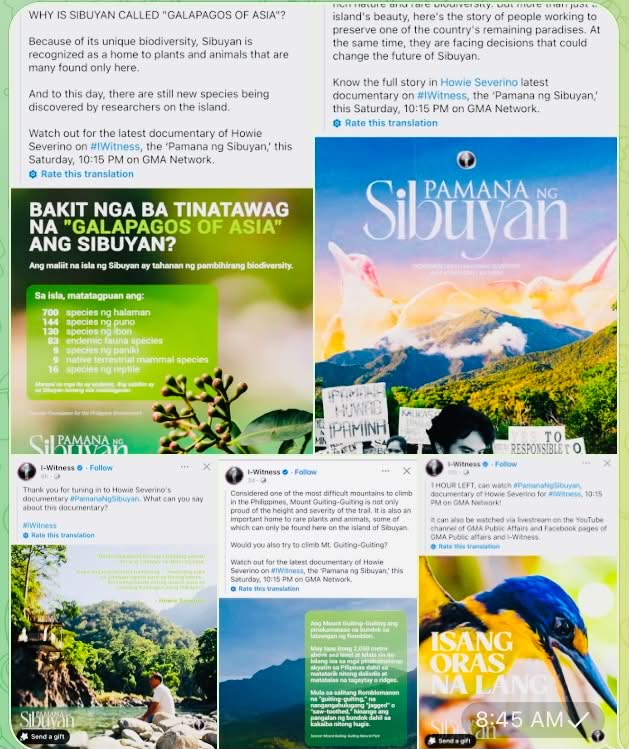
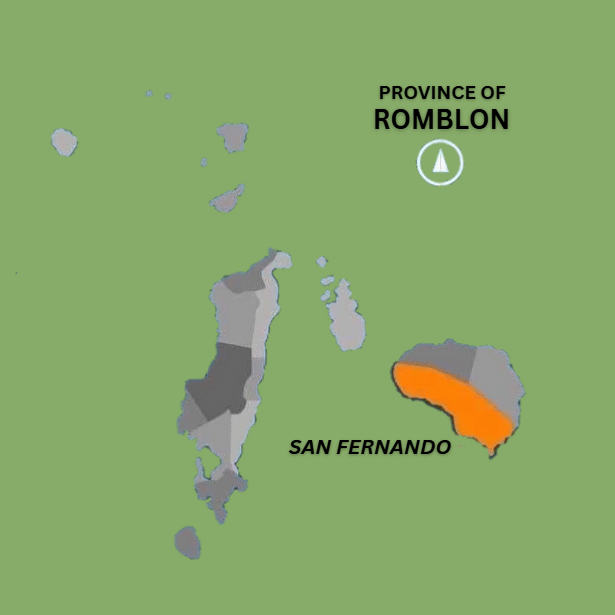
The province of Romblon is known in Marble industry which is one of their primary products. There are three (3) major islands, namely: The Island of Romblon, Tablas Island, and Sibuyan Island. The province is geographically isolated, particularly the Sibuyan Island. The common folks and even merchants encounter difficulties in travelling from one island to another thereby greatly affecting the development and progress of the province. The presence of ROADBOOK would somehow facilitate the realization of aspirations for development by focusing on Sustainable Employment and Livelihood for the communities most especially those of the IPs.
VISION, MISSION, CORE VALUES, AND GOALS
Vision: To be the Center of Excellence in the delivery of skills-matched, work-based and employment-driven foundation programs.
Mission: To cultivate and adopt programs, systems, and processes that integrate the desired core values and actively contribute to sustainable development through environmental protection, poverty alleviation and economic progress.
Core Values:
ROADBOOK embraces and reflects the following as its core values:
1. Personal Discipline
2. Professional Mastery
3. Social Responsibility
Goals: A “ROADBOOK CENTRE” committed to Corporate Social Responsibility (CSR) duly registered in Securities and Exchange Commission (SEC) engaged in Farm School / Farm Tourism, and Seaport Programs and Services to train, employ and provide sustainable community-based livelihood/enterprise to IPs and communities.
General Organizational Objective
To establish and operate a community-based transitional facility that equips marginalized beneficiaries with market-aligned technical, agricultural, and life skills to achieve sustainable socio-economic integration.
Specific Program Objectives
1. Farm School & Sustainable Agriculture
Target: Train and certify beneficiaries in sustainable agricultural practices.
Objective: Equip 30 trainees per cycle with practical competencies in organic farming, crop rotation, livestock care, and agro-processing through accredited instruction, achieving a 100% completion rate within a 6-month training period.
Land Provision Objective: Execute formal, legally binding Turnover/Land Use Agreements with 100% of eligible training plot recipients prior to plot allocation, ensuring structured, hands-on practicum experience throughout the training cycle.
2. CSO Livelihood & Farm Tourism Enterprise
Target: Establish local enterprise partnerships and tourism linkages.
Objective: Formalize co-management partnerships with at least 3 local Civil Society Organizations (CSOs) within 1 year to establish operational farm tourism activities and enterprises, increasing participating household income by 35% within 1 year of launch.
3. Educational Access & IP Inclusion (Scholarships)
Target: Provide full educational coverage to marginalized and Indigenous Peoples (IP) communities.
Objective: Award 75% fully funded scholarships (covering training fees, materials, uniforms, and daily food allowances) to 30 qualified IP and vulnerable community members per annual intake, selected in 100% coordination with the NCIP and Barangay Council.
4. Industry-Based Learning, Dual-Training & Placement
Target: Transition trainees into active employment or cooperative work.
Objective: Partner with at least 3 accredited educational, technical-vocational, and private sector enterprises to place 100% of eligible trainees into Dual-Training Pathways/OJT, achieving an immediate employment or cooperative placement rate of at least 75% within 90 days of program completion.
5. Seaport Operations (Conditional Component)
Target: Resolve operational readiness pending administrative support.
Objective: Secure a formal partnership agreement with the Philippine Ports Authority (PPA) within 6 months of launch;
OPERATIONAL FRAMEWORK AND SCOPE
1. Primary Geographical Coverage
Principal Office & Operations Base: Hon. Quirino R. Cometa St., Barangay Azagra, San Fernando, Romblon, Romblon.
Core Functions: Serves as the central administrative hub, primary decision-making seat, and lead project implementation facility for ROADBOOK’s programs.
2. Extension & Satellite Sites
Secondary Operations / Extension Sites: Active field sites, satellite bases, and community liaison points established Barangay Ginablan, Romblon, Romblon.
Scope of Activity: Facilitates localized community engagement, site-level project management, direct beneficiary outreach, and logistics handling.
3. Strategic Horizon (Province-Wide Expansion)
Target Reach: Province of Romblon (encompassing the island groups of Tablas, Sibuyan, Romblon, and surrounding islet communities).
Vision: ROADBOOK aims to progressively expand its operational footprint across all municipalities in the Province of Romblon, building integrated networks for local implementation, strategic partnerships, and sustainable community initiatives.
DEFINITION OF TERMS
For the purpose of these operational guidelines, the following terms shall be defined as follows:
1. Indigenous Peoples (IPs) – refers to indigenous individuals and local community members who are formally registered and certified by the National Commission on Indigenous Peoples (NCIP).
To qualify as partner beneficiaries under ROADBOOK programs, candidates must:
a) Satisfy the selection and admission criteria set forth by ROADBOOK; and
b) Be duly submitted and endorsed to the Department of Social Welfare and Development (DSWD) and relevant local administrative bodies for confirmation, validation, and inclusion in social protection and development frameworks.
2. Marginalized Communities – refers to community-based organizations (CBOs), sector-based associations, and Civil Society Organizations (CSOs) duly registered or non-registered.
a) Maintain good governance standing and active compliance with agency requirements; and
b) Are officially endorsed to ROADBOOK to participate as institutional partner beneficiaries in community development projects.
4. Volunteers – refers to IP students, youth, and trainees selected from verified partner IP and community groups who voluntarily applied in ROADBOOK’s development and immersion programs.
Volunteers undergo structured training in agricultural practices and social entrepreneurship, with a core focus on instilling organizational values and strengthening technical competencies in:
a) Agri-Farming and Sustainable Livelihood Systems
b) Seaport, Coastal, and Marine Tourism Operations
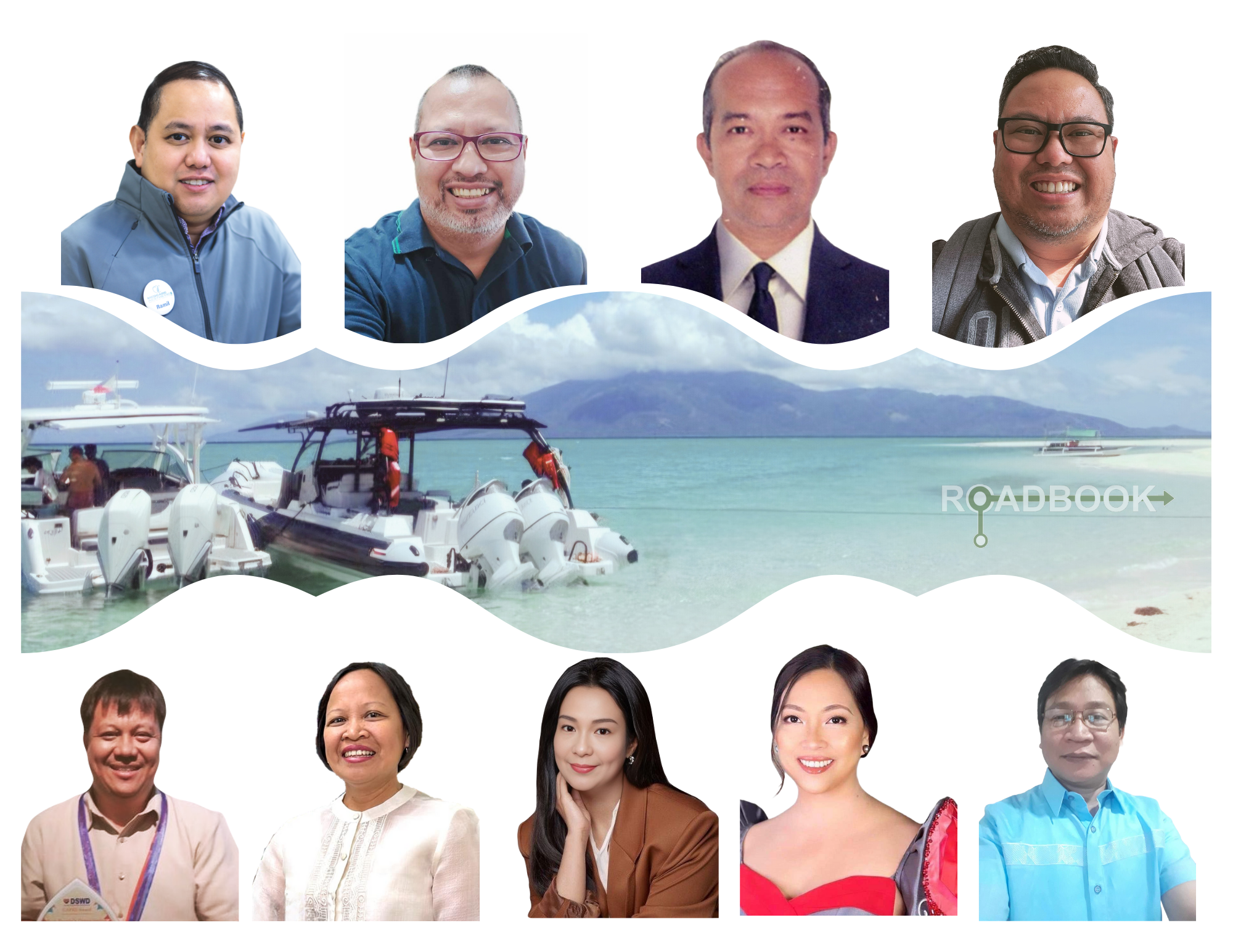
Our Team
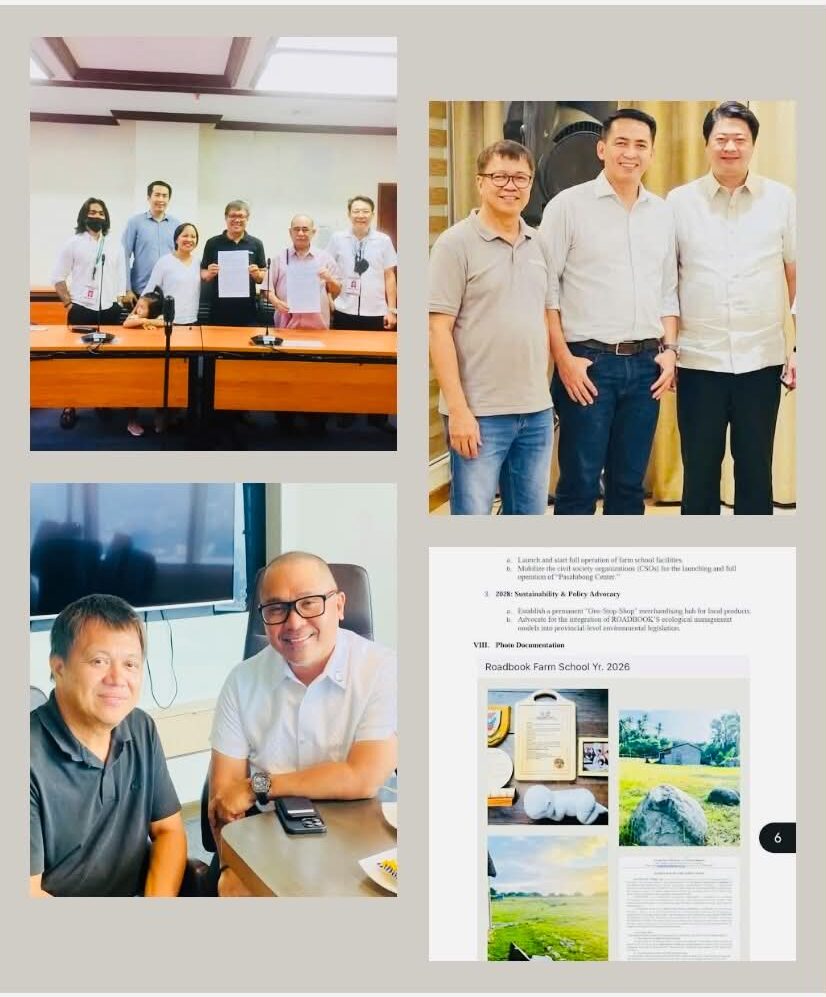

Our Historical Records

Hon. Quirino R. Cometa, Brgy. Azagra San Fernando Romblon
(Sibuyan Island) Romblon, Philippines


coolbeansatwork@gmail.com
copyright 2024